Why Your Product Specs Take Days Instead of Hours (And How to Fix It)
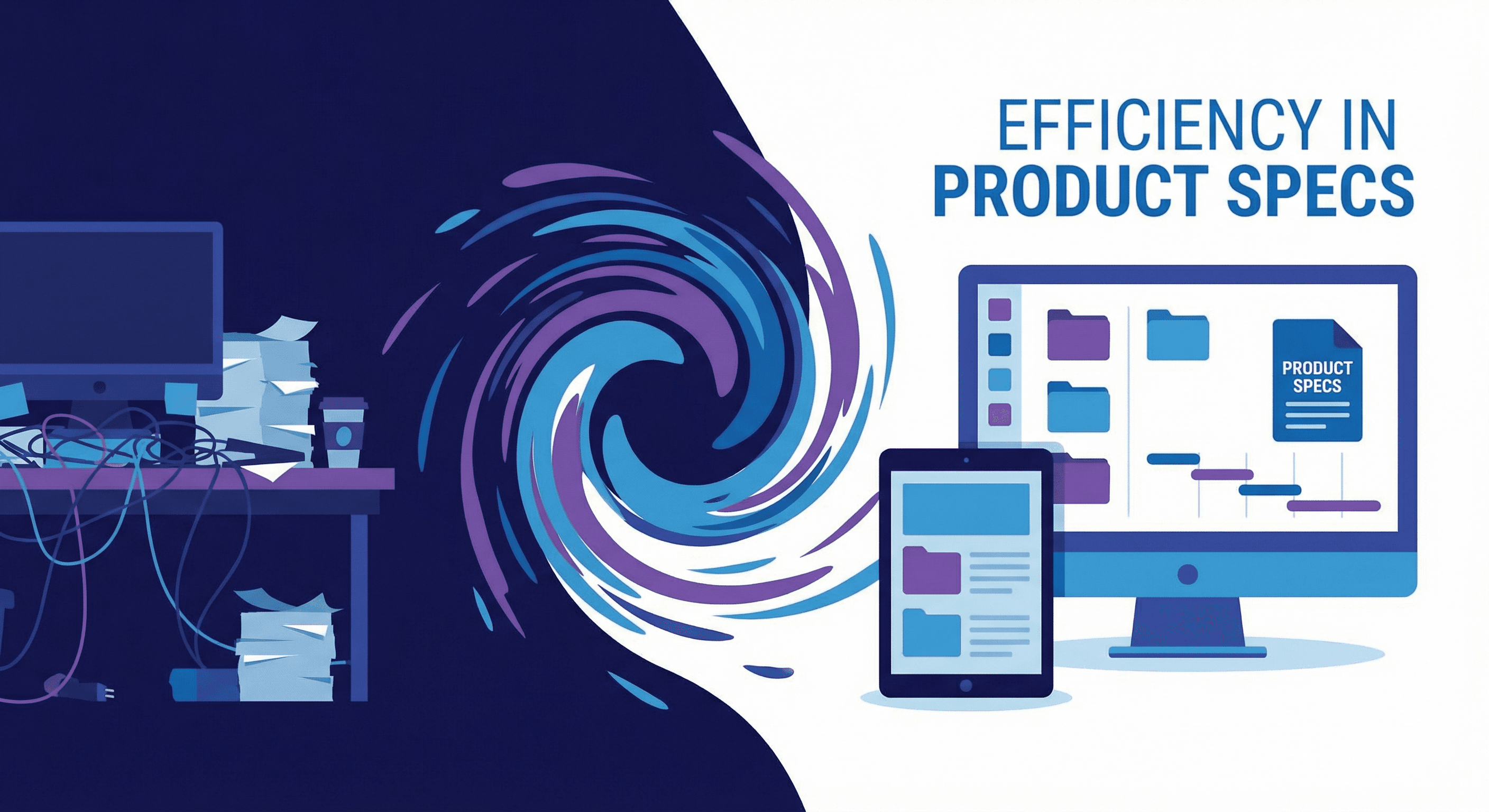
The 9pm Google Doc Problem
It's Tuesday night and you're still wordsmithing the requirements section of a spec that should have been done yesterday. Engineering is waiting. The sprint starts tomorrow. And you're staring at a document you've already rewritten three times, wondering if you've covered everything.
If this sounds familiar, you're not alone.
Most product managers spend 3 to 5 days writing a single feature spec. Not because the thinking is hard—you probably figured out what needs to be built in a few hours. The problem is turning that thinking into a structured, complete document that engineering can actually use.
Why Specs Take So Long
The blank document is lying to you. It looks simple: just write down what needs to be built, right? But then you start:
- Write the overview. Wait, should this go before or after the user stories?
- Add acceptance criteria. Did I cover all the edge cases?
- Describe the feature. Is this clear enough or too prescriptive?
- Pull in stakeholder feedback. Now I need to restructure everything.
- Format it so it looks professional. Why does this table keep breaking?
The actual product thinking might take a few hours. But the process of structuring, remembering what to include, getting feedback, revising, and formatting? That takes days.
And here's the thing that makes it worse: you're reinventing this process every single time. Every spec starts from a blank page. Every spec requires you to remember what sections to include. Every spec is a test of whether you've thought of everything.
The Real Cost
Time spent on specs isn't just time. It's opportunity cost.
Every hour you spend fighting with document structure is an hour you're not spending on user research, stakeholder alignment, or strategic planning. The spec process is eating the time you need for the work that actually differentiates good PMs from great ones.
And then there's the emotional cost. That persistent feeling of being behind. The guilt that you should have finished this yesterday. The anxiety that you might have missed something important and won't know until engineering starts asking questions.
What Actually Works
The PMs who write specs in hours instead of days aren't smarter or faster. They're using a different process.
Instead of starting with a blank document, they start with structure. A guided flow that walks them through each dimension of a complete spec:
- Product overview — Why are we building this? What's the business objective?
- Epics — What are the major themes of work?
- Features — What specific capabilities deliver on those themes?
- User stories — What exactly does the user need to do?
- Architecture context — What technical considerations matter?
- Data model — What data needs to exist for this to work?
Notice what this does: it removes the cognitive load of remembering what to include. You're not staring at a blank page wondering what to write. You're answering specific questions that ensure nothing gets missed.
This is why teams using structured spec tools report 60-80% time savings. A spec that used to take 3 days now takes half a day. Not because they're cutting corners, but because they're not wasting time on structure and formatting that should be handled by the tool.
The Difference Between a Template and Guidance
You might be thinking: "I have a template. It doesn't help."
Templates give you section headers. Guidance tells you what goes in each section and why it matters. Templates are static. Guidance adapts based on what you're building.
The best spec processes include:
- Completeness checks — Did you define acceptance criteria? Did you consider edge cases?
- Traceability enforcement — Every story connects back to a business objective
- AI-assisted suggestions — "Based on this user story, here are edge cases you might want to address"
This isn't about writing the spec for you. It's about making sure you think through every dimension without having to keep a mental checklist of 47 things to remember.
What Changes
When your spec process shifts from blank-page to guided-flow, three things happen immediately:
1. You finish faster. What used to take days takes hours. You get your evenings back. Engineering starts sprints on time.
2. You feel more confident. You know you've covered everything because the process ensured it. No more 11pm anxiety about whether you forgot something.
3. Engineering trusts your specs. When your specs consistently include all necessary context, engineering stops asking clarification questions and starts building.
The irony is that the PMs who write specs the fastest are often the ones producing the highest quality. Not because they're rushing, but because they're using a process that ensures completeness without wasting time on structure.
Try It Yourself
If you're spending days on specs when it should take hours, the problem isn't you. It's your process.
FluidSpecs gives you the guided structure and AI assistance that turns spec writing from a multi-day ordeal into a focused few hours of product thinking. Start with your next spec—free, no credit card required.
Try FluidSpecs on your next spec →